Bracket Builders: How Historical Performance Data Informs Seeding Choices in Emerging Leagues

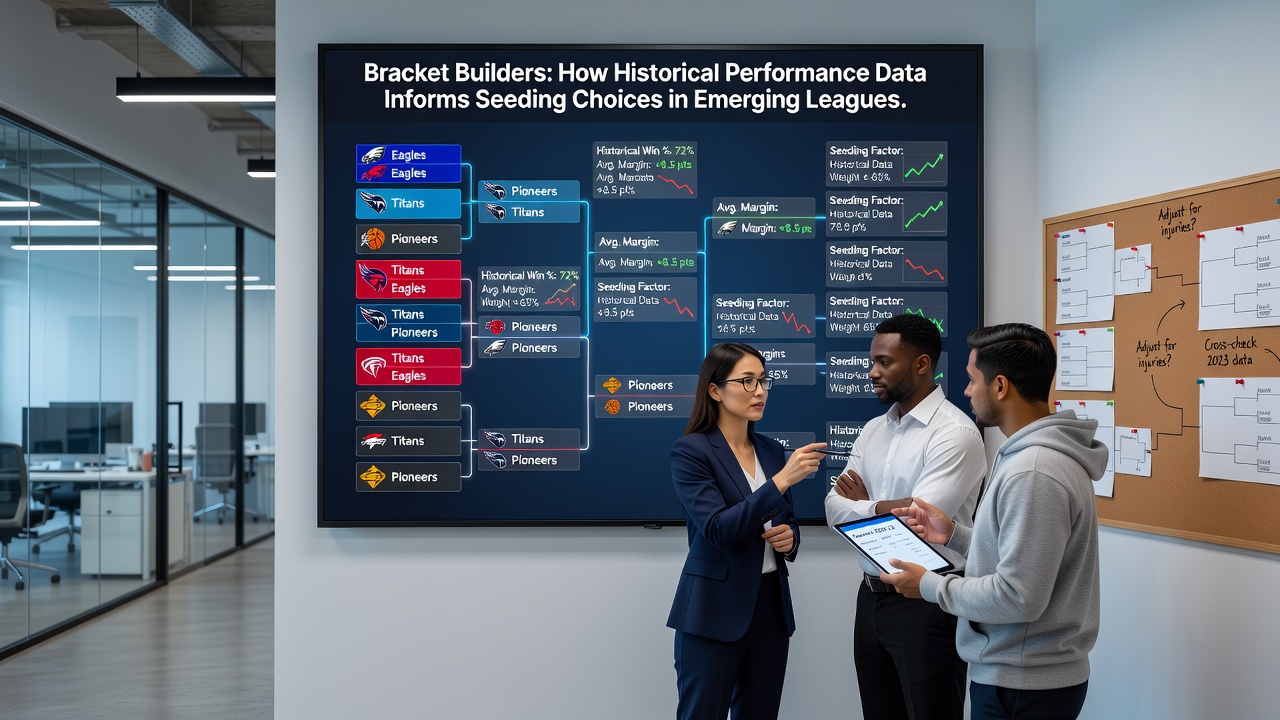
Bracket builders in emerging leagues rely on historical performance data to shape initial seeding decisions that affect competitive balance from the outset and data patterns show how past results guide placement into groups or elimination rounds while avoiding early mismatches that could skew tournament progression. Emerging leagues often launch with limited prior seasons yet they draw from archives of player statistics across related circuits or predecessor events to establish baselines for ranking participants.
Core Mechanics of Data Integration in Seeding
Seeding algorithms process metrics such as win rates, point differentials, and head-to-head outcomes collected over multiple cycles and these inputs feed into models that assign positions within brackets according to strength indicators. Builders examine trends from comparable leagues that have matured over time and apply weighted averages to account for variables like roster changes or rule adjustments that occurred between seasons. In practice this means a team with consistent top finishes in regional qualifiers receives higher seeds even if its current roster features new additions while lower historical performers start in preliminary rounds.
Examples from Recent League Launches
Observers note how new volleyball circuits in Oceania incorporated match archives from national club competitions dating back five years when setting brackets for inaugural events and this approach produced more even distributions of talent across pools. Similar patterns appear in North American development soccer leagues where data from youth academies and lower-division results inform seeding for expansion franchises entering professional play. June 2026 marks the rollout of several such circuits in Asia-Pacific regions where organizers updated their datasets with results through the prior spring campaign to refine initial rankings before opening matches begin.
Challenges in Data Application for New Structures
Emerging leagues face gaps in comprehensive records because many participants transition from informal or semi-structured play without standardized tracking and builders compensate by blending available statistics with scouting reports or simulation outputs derived from comparable historical cohorts. Research from the University of Queensland highlights how incomplete datasets can lead to overreliance on single-season snapshots unless cross-referenced against multi-year trends from adjacent competitions. Adjustments become necessary when anomalies surface such as unusually high scoring rates in one region that do not align with broader patterns observed elsewhere.
Technological Tools Supporting Bracket Construction
Software platforms aggregate historical feeds into dashboards that allow real-time adjustments during seeding meetings and these systems flag potential imbalances by comparing projected match outcomes against past tournament results. Industry reports from the Canadian Sport Institute emphasize the role of machine learning models trained on archived league tables to predict stability in emerging brackets and such tools reduce manual intervention while maintaining transparency in how seeds are assigned. Data flows from registration systems into these platforms create continuous updates that reflect late additions or withdrawals before brackets finalize.
Effects on Competitive Equity and Participation
Seeding informed by historical performance tends to sustain interest across the field because lower seeds encounter gradual challenges rather than immediate elimination against dominant entries adn figures from the Australian Sports Commission reveal higher retention rates in leagues that adopted this method during their first three seasons. Participants report clearer pathways for advancement when initial placements align with established performance indicators and this alignment encourages ongoing involvement from athletes who see measurable progress reflected in subsequent events. Builders continue refining approaches as each new season adds layers to the available archives thereby strengthening future decisions.
Conclusion
Historical performance data serves as the foundation for bracket builders in emerging leagues where it shapes seeding to promote balanced competition and sustained engagement. As new circuits accumulate their own records the integration process evolves to incorporate fresh inputs alongside established benchmarks and this progression supports more precise placements over successive years. Organizations that maintain consistent data practices position their leagues for stable growth while participants benefit from structures that reward demonstrated capability across contexts.