Gatekeepers of Entry: Decoding Registration Mechanics in Elite Global Tournaments
Gatekeepers of Entry: Decoding Registration Mechanics in Elite Global Tournaments
The Front Door to Glory: Why Registration Defines Elite Access
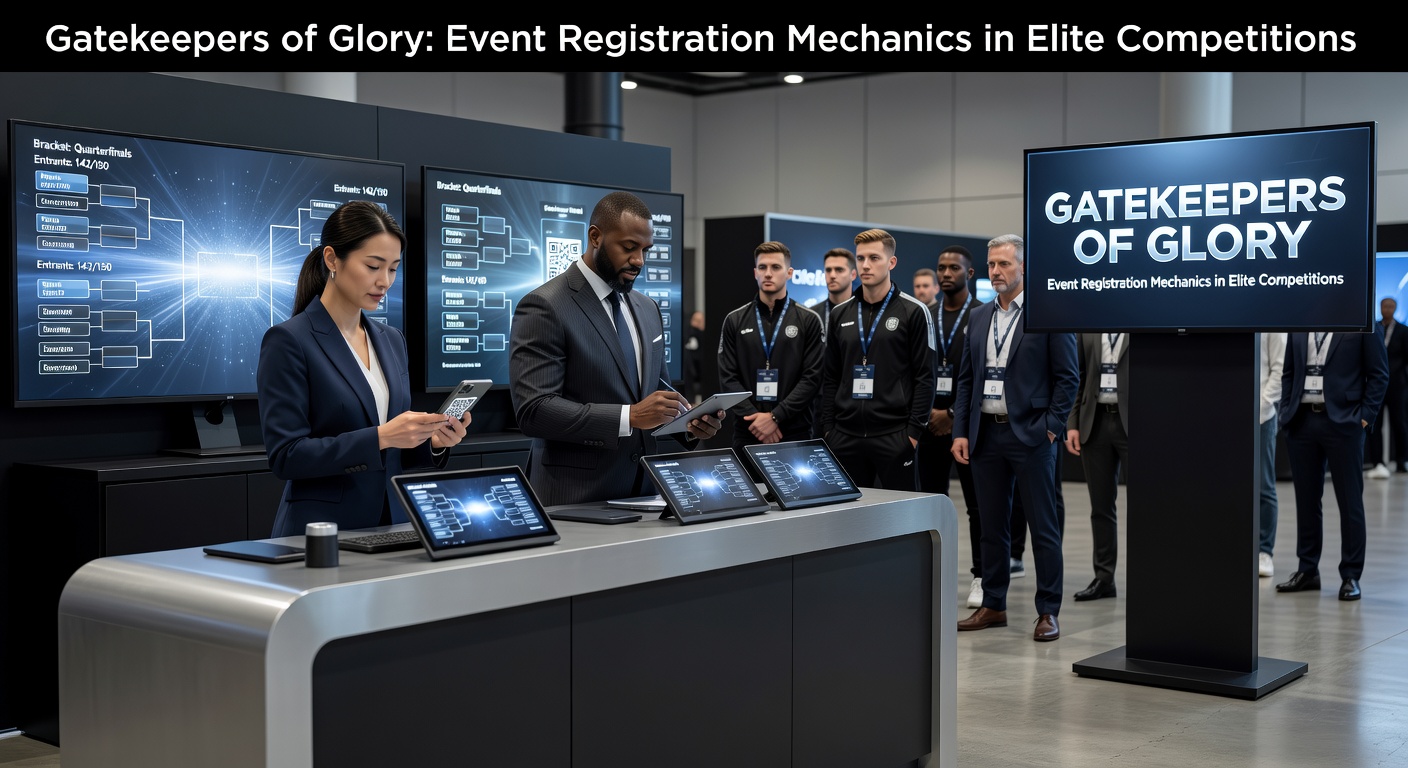
Elite tournaments stand as pinnacles of competition, yet few grasp how registration mechanics serve as the initial filter separating dreamers from contenders; these systems, often invisible to casual observers, enforce strict criteria that ensure only the qualified step onto the grand stage. Researchers who track participation trends note that in events like the Olympics or FIFA World Cup qualifiers, registration windows close with millions of data points processed, balancing merit, diversity, and logistics in ways that shape entire fields. Take the International Olympic Committee (IOC), where athletes must navigate country-specific quotas alongside global standards, a process that data shows weeds out over 99% of hopefuls before trials even begin.
But here's the thing: these gatekeepers aren't just bureaucratic hurdles; they incorporate lotteries, performance benchmarks, and even algorithmic matching to maintain fairness, while organizers like those behind the Masters golf tournament use ballot systems that prioritize loyalty alongside skill. Observers point out that such mechanics evolved to handle surging demand, especially as digital platforms exploded participation rates by 300% in the last decade according to industry reports from the IOC's qualification frameworks.
From Chalkboards to Algorithms: The Evolution of Registration Systems
Early elite events relied on handwritten ledgers and telegrams for entries, a far cry from today's seamless portals; Wimbledon, for instance, shifted from postal ballots in the 1920s to online queues by 2000, cutting processing time from weeks to hours while accommodating 50,000-plus applicants annually. Experts who've studied this transition highlight how World War II disruptions forced innovations like provisional registrations, laying groundwork for modern federations to adopt standardized protocols.
And as global viewership ballooned, so did complexity; UEFA's Champions League registration, which mandates club submissions via encrypted platforms, now verifies licenses, squad lists, and financial compliance in real-time, a system refined through decades of trial and error. What's interesting is how esports mirrored this path faster: tournaments like The International for Dota 2 introduced open qualifiers in 2011, drawing 10,000 teams initially and scaling to regional locks by 2020, all powered by cloud-based leaderboards that auto-populate slots.
Dissecting the Mechanics: Qualifications, Ballots, and Beyond
Registration unfolds in layers, starting with open calls that funnel into qualifiers, invites, or draws; in track and field at the World Athletics Championships, athletes log performances via certified meets, with top times auto-qualifying roughly 50% of spots while wildcards fill gaps based on continental representation. Semicolons link these to ballot systems, like the US Open tennis lottery, where fans enter draws months ahead, and computers randomize 25,000 winners from millions of submissions, ensuring public access amid sold-out demand.
Yet regional variations add spice: Australia's Surfing Australia Pro Junior series employs a points-based registry tied to national rankings, whereas Canada's Skate Canada uses invitation-only for elites but opens juniors via video submissions reviewed by panels. Data indicates these hybrid models boost diversity, with one study from the UEFA club licensing benchmarks revealing a 15% uptick in underrepresented nations since digitized tracking began. People who've navigated these often discover that deadlines aren't flexible; miss one by minutes, and the door slams shut, as seen in countless Ironman triathlon registry overloads where servers crash under peak loads.
Tech at the Helm: Platforms Powering the Gatekeeper Role
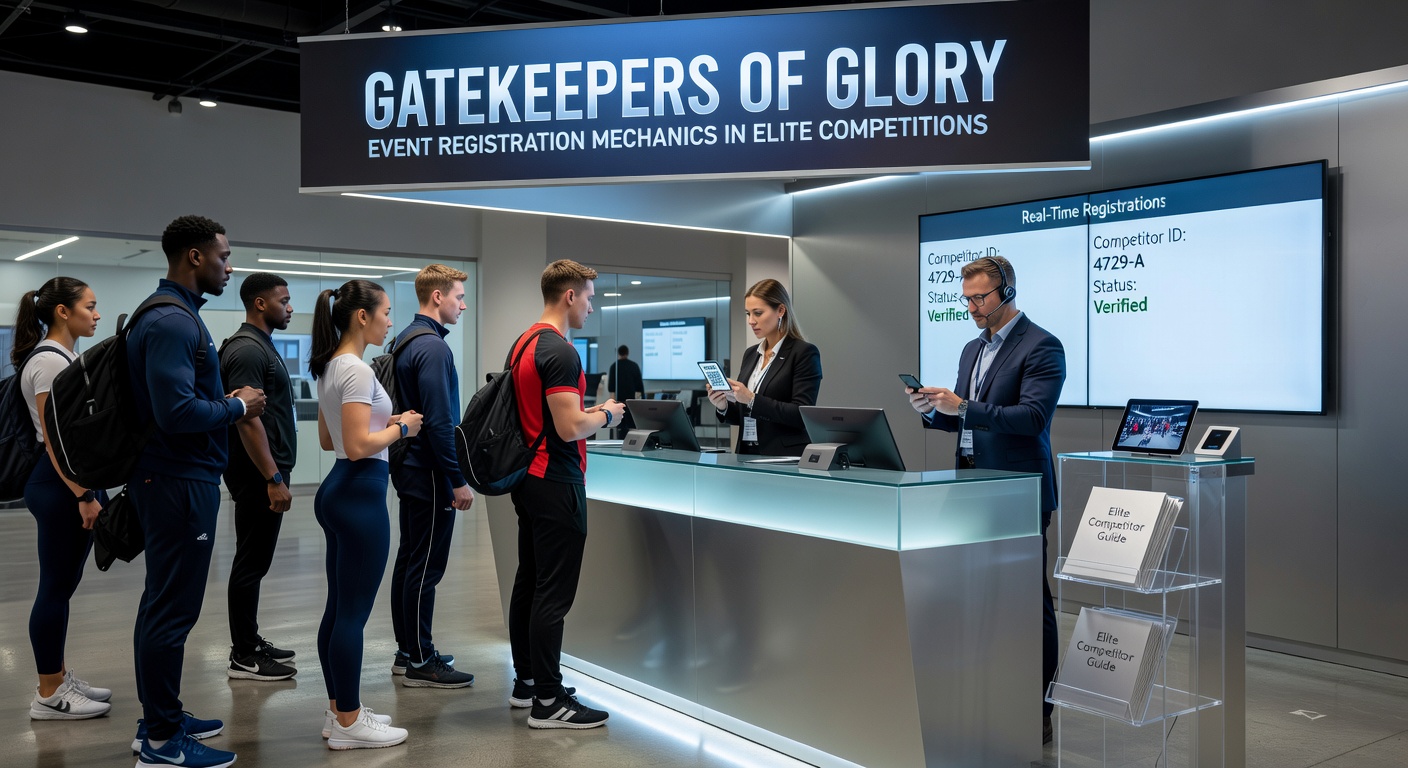
Cloud services and AI now dominate, with platforms like Eventbrite's enterprise tier or custom builds from Active Network handling petabytes of data; for the Boston Marathon, which caps at 30,000 runners, a lottery algorithm weighted by past finishes processes entries in seconds, notifying via app pushes that keep engagement high. Turns out blockchain enters the fray too, as in some Formula E team registrations where smart contracts verify funding proofs immutably, preventing disputes that plagued earlier eras.
Observers note mobile-first designs have transformed access, especially in developing regions; India's Pro Kabaddi League saw registrations quadruple post-app launch, thanks to vernacular support and biometric logins that cut fraud by 40%, per league audits. But scalability tests limits: during the 2024 Paris Olympics cycle, IOC servers peaked at 1.2 million concurrent users, forcing queue overflows that organizers mitigated with staggered windows and captcha escalations.
Navigating Pitfalls: Fraud, Fairness, and Inclusivity Challenges
Fraud shadows every system, from bot farms snapping up slots to fake credentials; the NBA's Summer League once battled reseller scams until RFID wristbands tied entries to verified IDs, a tactic now standard in UFC fight nights. Research indicates multi-factor authentication slashes incidents by 70%, yet equity issues persist, as wealthier federations dominate bids for events like the Ryder Cup, where host nations secure automatic spots.
So regulators step in: the Australian Sports Commission's guidelines mandate transparent algorithms, while EU directives under sports governance push for gender-balanced registries, resulting in women's slots rising 25% across monitored leagues. Those who've audited these find that appeals processes, often 30-day windows post-closure, resolve 20% of disputes, but only if evidence stacks up; one case saw a sprinter reinstated after proving a portal glitch, highlighting why backups like email confirmations matter.
Spotlight on April 2026: Registration Windows Opening Soon
As calendars flip to April 2026, key windows crack open for juggernauts like the 2028 LA Olympics qualifiers and UEFA Euro 2028 preliminaries, where national associations must submit rosters by mid-month amid heightened scrutiny from anti-doping integrations. Esports heats up too, with EVO 2026's fighting game registry launching lotteries that could draw 20,000 entries per title, building on 2025 records; meanwhile, the IRONMAN World Championship ballot, notorious for its odds worse than a royal flush, kicks off entries on April 15, processing via a tiered system favoring age-group veterans.
What's significant is the tech upgrades: AI-driven fraud detection from partnerships like those with AWS promises smoother flows, and blockchain pilots for the Surf World Championships ensure tamper-proof waveslots. Experts predict record volumes, with organizers urging early prep since slots fill in hours, not days.
Conclusion
Registration mechanics stand as silent architects of elite fields, blending tradition with cutting-edge tools to forge competitions that captivate billions; from Wimbledon's enduring ballot to Olympics' global qualifiers, these systems ensure merit rises while adapting to explosive growth. Data underscores their impact, as digitized evolutions have democratized doors once reserved for insiders, yet challenges like fraud and access persist, demanding vigilant oversight. Looking ahead, April 2026 windows will test these gatekeepers anew, revealing how they balance scale, fairness, and spectacle in tournaments that define legacies. Those who master the entry game know the real race starts long before the starting gun sounds.