Mapping Momentum: How Cumulative Season Statistics Guide Strategic Enrollment Decisions in Youth Athletic Divisions
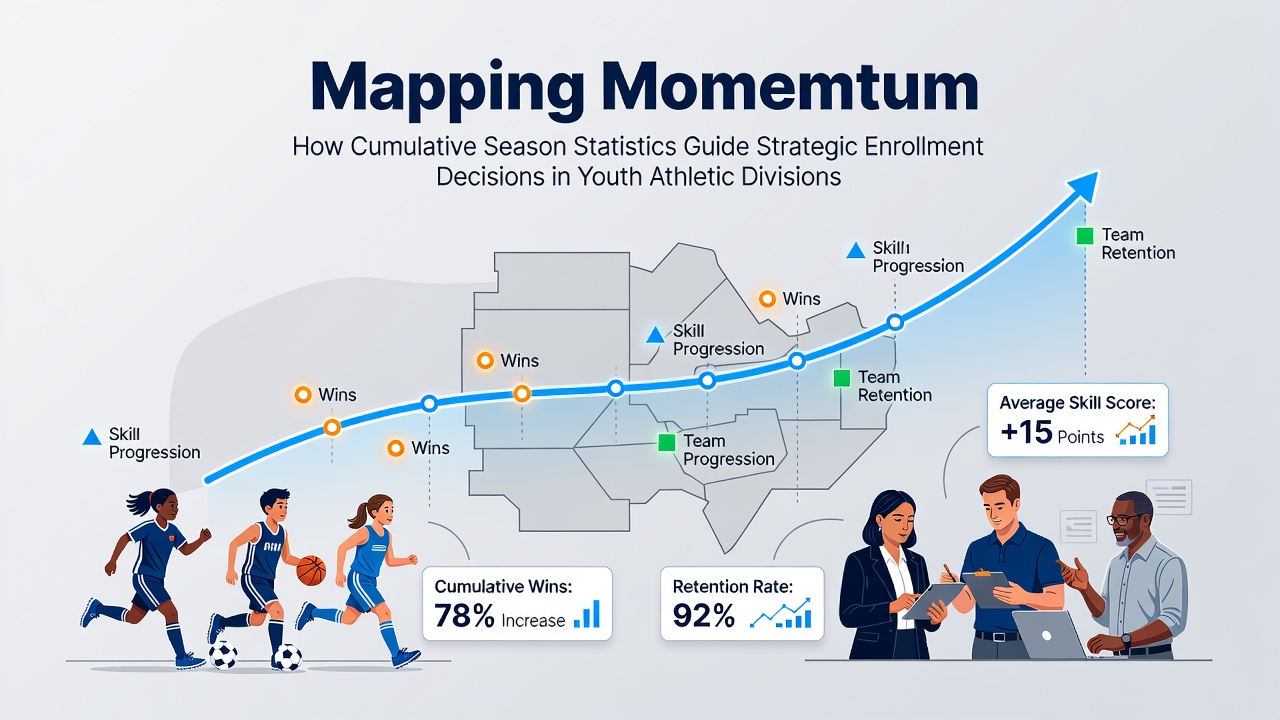
Coaches and league administrators track cumulative season statistics across multiple matches to identify patterns in team performance and individual development, and these records shape enrollment choices for the next cycle in youth athletic divisions. Data collected over full seasons reveals trends in scoring efficiency, defensive metrics, and participation rates that organizations use when deciding which divisions to enter for upcoming periods. Organizations such as regional athletic associations compile these figures from match logs and integrate them into planning tools that forecast roster needs and competitive balance.
Building Season-Long Data Sets for Decision Making
Youth athletic programs gather statistics from every game including goals scored, assists recorded, minutes played, and error rates, then aggregate them into season totals that highlight consistent strengths or recurring weaknesses. These cumulative numbers differ from single-match snapshots because they account for variations across home and away contests as well as different opponent skill levels. Administrators compare a team's aggregate offensive output against league averages to determine whether the squad belongs in a higher or lower division the following year.
Software platforms used by many youth leagues now automate the collection process and generate reports that flag players whose cumulative contributions exceed or fall short of division norms. One study conducted by researchers at the University of Queensland examined how Australian junior soccer clubs applied these reports to adjust enrollment strategies and found measurable shifts in team placements that aligned with performance trajectories. Coaches review the same data sets when recruiting new athletes because cumulative records provide clearer indicators of long-term fit than isolated game highlights.
Enrollment Adjustments Driven by Performance Trends
Leagues schedule enrollment windows several months before the next season begins and require clubs to submit division requests supported by cumulative statistics from the prior campaign. A squad with strong defensive metrics accumulated over twenty matches might request promotion while another with declining scoring totals over the same span seeks a lower bracket to maintain engagement levels. This process relies on standardized reporting formats that allow direct comparison across multiple teams within the same age group.
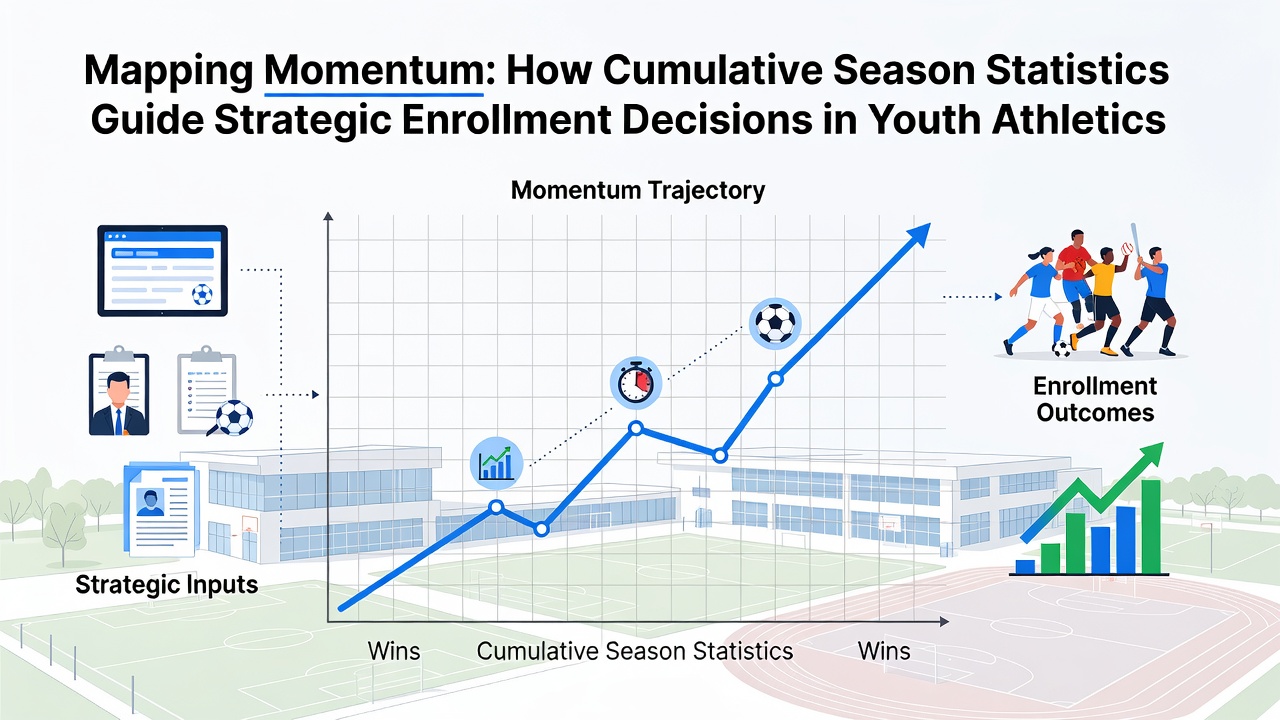
Regional governing bodies enforce these guidelines to preserve competitive equity and reduce instances of mismatched contests that can discourage continued participation. Data compiled by the Aspen Institute's Project Play initiative shows that divisions maintaining balanced enrollment through statistics-based decisions experience steadier retention rates across consecutive seasons. Administrators note that early identification of momentum shifts allows clubs to finalize rosters before deadlines and avoid mid-season adjustments that disrupt training schedules.
Integration with Broader League Planning Cycles
Cumulative statistics feed into larger planning efforts that extend beyond single-team decisions and influence how entire divisions structure their calendars. League officials examine aggregated data from all participating clubs to project the number of teams likely to request each competitive level and allocate resources such as field time and referee assignments accordingly. This forward-looking approach becomes particularly relevant when organizations prepare for transition periods such as the June 2026 enrollment window that will set divisions for the 2026-2027 campaign.
Coaches who monitor cumulative metrics throughout the season can identify when a roster has reached a performance plateau or when key contributors show sustained improvement that warrants a division change. Those who have studied these patterns across multiple years recognize that early data review reduces the risk of last-minute enrollment disputes and supports smoother transitions between age-group categories.
Conclusion
Cumulative season statistics serve as the foundation for enrollment decisions that determine competitive placement and resource allocation in youth athletic divisions. Organizations that systematically compile and apply these records achieve greater consistency in team development and league balance. As data collection tools continue to evolve, the role of season-long metrics in guiding strategic choices will expand across more regions and age categories.