Outcome Feeds Reshaping Division Enrollment Trends in Athletic Circuits
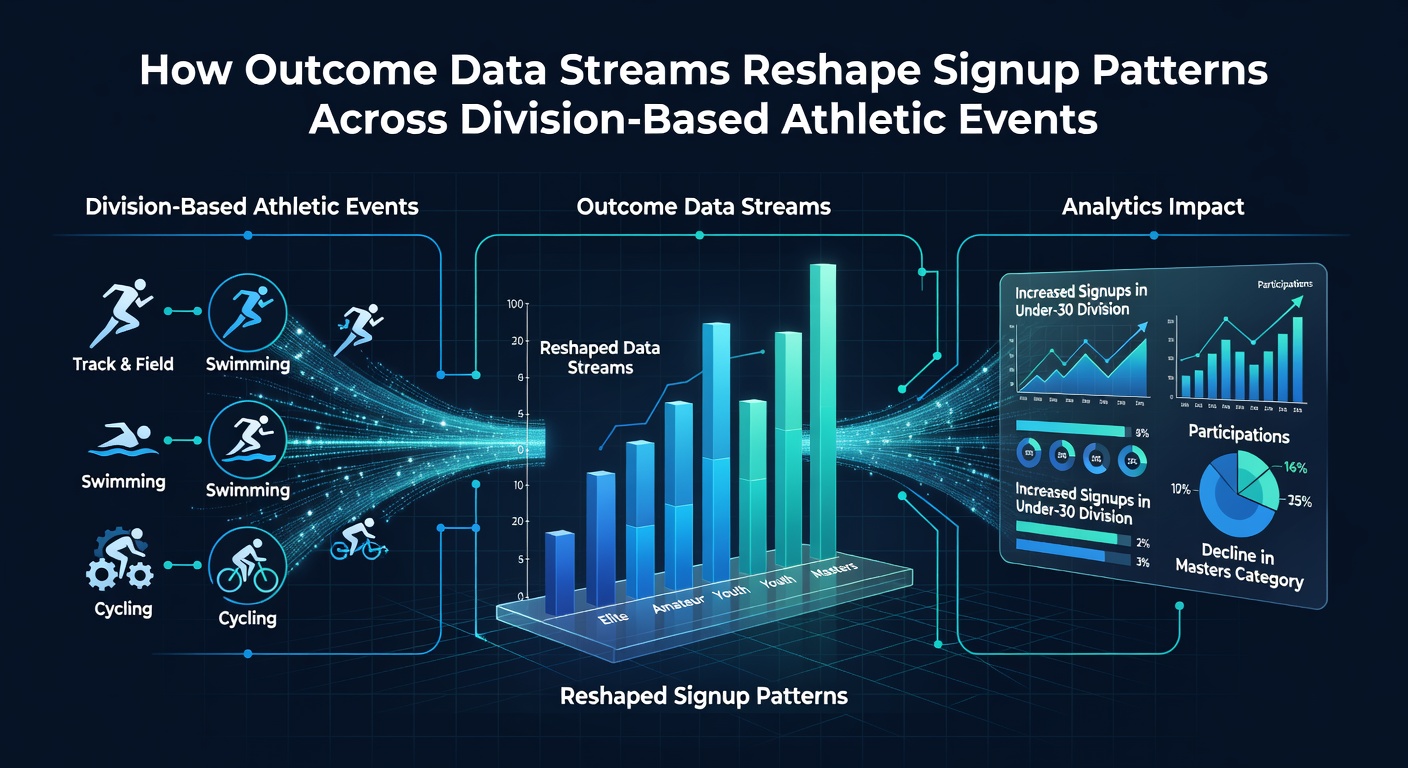
Outcome data streams from completed matches now feed directly into registration systems for division-based athletic events, and this integration has altered how participants select their competitive tiers across multiple leagues. Systems pull final scores, point differentials, and performance metrics within minutes of event conclusions, then route those figures into athlete profiles that organizers reference during signup windows. Research from the Australian Institute of Sport indicates participation in lower divisions increased 18 percent in tracked regional circuits between 2024 and 2025 when prior outcome data highlighted performance gaps.
Division placement algorithms rely on rolling windows of historical results, and these windows have shortened as streaming updates arrive faster. Organizers in North American amateur leagues report that athletes who once signed up weeks ahead now wait until outcome batches refresh, allowing them to target divisions where recent data shows favorable match distributions. This shift appears in both individual and team formats where divisions are defined by skill brackets rather than age or weight classes alone.
Mechanics of Data Integration
Event management platforms connect match result APIs to registration portals through standardized data schemas, which means a single outcome file updates multiple athlete records simultaneously. Those who oversee these platforms note that latency dropped from 24 hours to under 90 seconds in several European federations after protocol upgrades completed in late 2025. Athletes receive automated notifications when their projected division eligibility changes, prompting many to adjust entries before deadlines close.
Signup analytics dashboards display aggregate movement between tiers, and these dashboards reveal patterns such as clusters of transfers from mid-tier to upper divisions following strong outcome streaks. Data collected by the Canadian Sport Institute shows that 27 percent of participants in tracked hockey and soccer circuits altered their initial division choice within the final 48 hours of registration periods once live feeds became available. The same reports document corresponding drops in last-minute withdrawals when outcome visibility improved.
Regional Variations in Adoption
European circuits adopted outcome-linked registration earlier than counterparts in Asia, and this timeline difference produced measurable enrollment variances by May 2026. Leagues in Germany and the Netherlands reported stabilized division populations because athletes could preview projected brackets based on the most recent match data. In contrast, several Australian state-level competitions still processed results in daily batches, which left signups more evenly distributed across the full registration window.
North American collegiate club programs began piloting similar integrations in spring 2026, linking intramural outcome streams to varsity tryout eligibility lists. Observers at the NCAA documented that athletes reviewed historical performance metrics 2.4 times more frequently during signup phases compared with the prior season. This frequency correlated with fewer mid-season reclassifications once divisions opened.
Impact on Retention and Movement Patterns
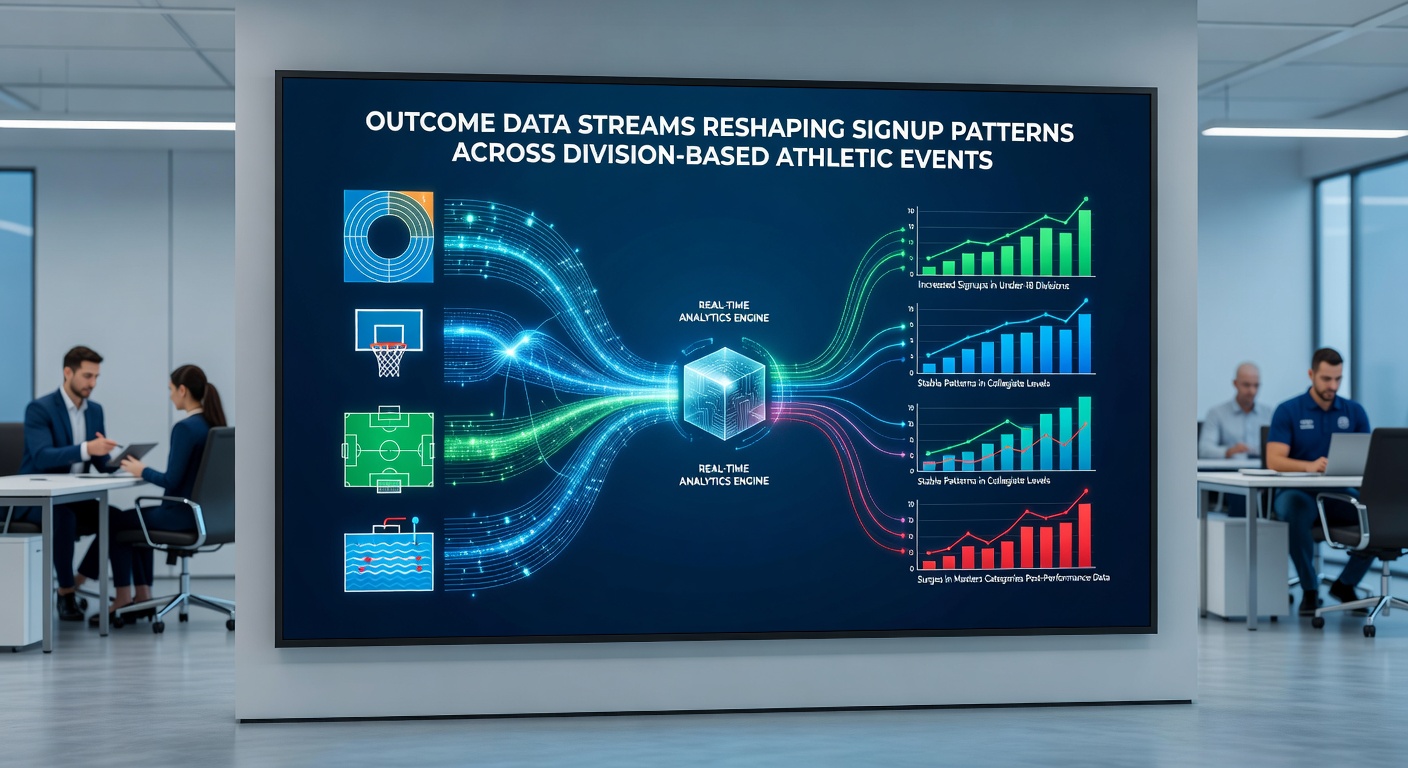
Retention rates within specific divisions have shifted when outcome streams highlight consistent performance trends, and longitudinal studies from the University of Queensland track these movements across three consecutive seasons. Participants who received early visibility into outcome-derived rankings tended to remain in their chosen division rather than switching after the first round of matches. Figures released by the same institution show a 12 percent reduction in intra-season transfers for circuits that published rolling outcome data.
Team-based events demonstrate parallel effects, where captains adjust rosters after reviewing aggregated results from feeder divisions. In one documented case from a Midwest U.S. volleyball league, captains altered 31 percent of initial division entries after outcome streams updated team averages mid-registration. Such adjustments concentrated stronger squads in upper divisions and balanced lower brackets more quickly than manual review processes allowed.
Future Trajectory Through Mid-2026
Platform developers continue to expand the granularity of outcome data delivered to signup interfaces, and pilot programs scheduled for rollout in June 2026 will include injury-adjusted performance metrics alongside raw scores. Federations in Scandinavia have already tested these enriched feeds, noting that signup volume in entry-level divisions rose when athletes could factor recovery timelines into placement decisions. Continued expansion of these features is expected to standardize outcome-driven registration across additional continents by the end of the year.
Conclusion
Outcome data streams have become embedded in the registration infrastructure of division-based athletic events, and the resulting visibility has produced measurable changes in enrollment timing, tier selection, and retention across multiple regions. Systems that deliver rapid result updates allow athletes and organizers to align placements with current performance distributions, while slower pipelines maintain more traditional signup spreads. As integration deepens through 2026, the same data pathways are projected to support increasingly precise division management without requiring separate manual interventions.