Pathways of Performance Data: Linking Historical Results to Evolving Team Compositions in District Level Events

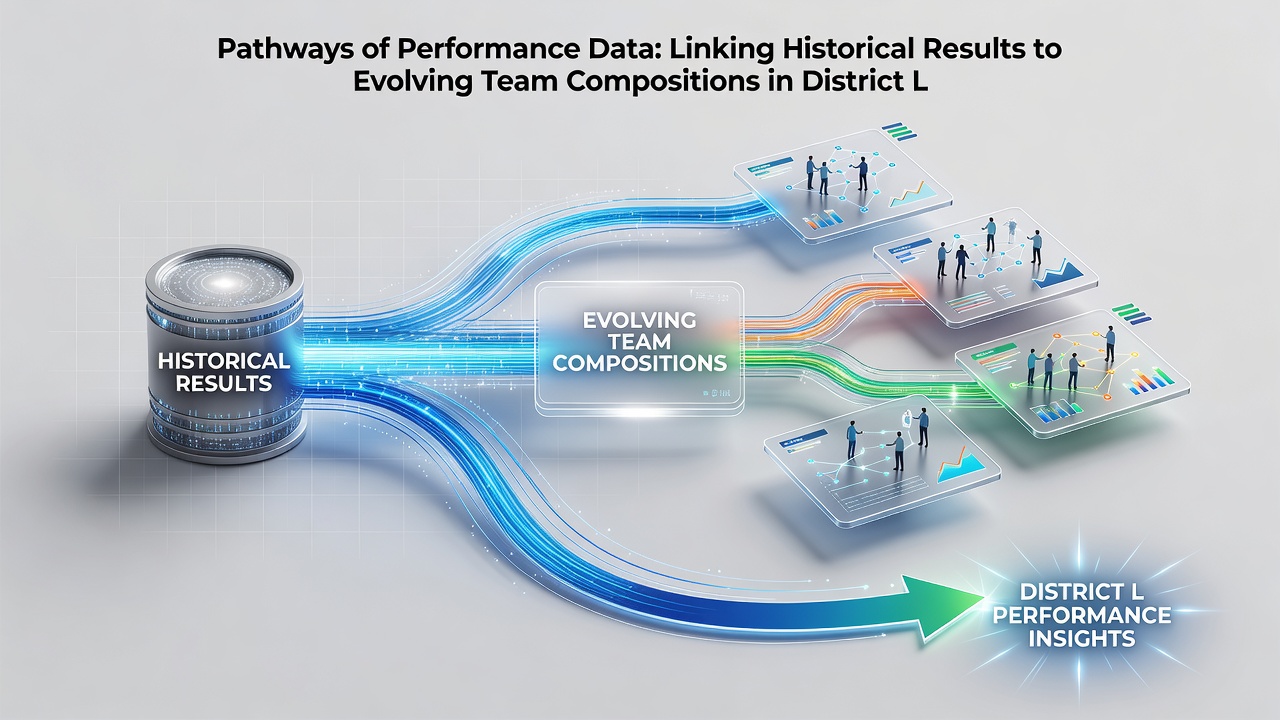
Performance data in district level events travels through structured pathways that connect archived match outcomes with adjustments in team rosters over multiple seasons. Researchers at institutions such as the Australian Institute of Sport have documented how result archives feed directly into enrollment systems and roster planning tools used by amateur leagues across regional circuits.
Data collection begins at the point of registration when athletes and teams submit prior season statistics that organizers integrate into centralized platforms. These systems process win rates, point differentials, and participation frequencies to generate baseline profiles for each squad. According to reports from Sport Canada, such integration occurs routinely in district tournaments where governing bodies maintain longitudinal records spanning five to ten years of competition cycles.
Historical Result Processing and Roster Adjustments
Teams access aggregated datasets that reveal patterns in individual athlete contributions across successive events. Coaches and organizers review these records to identify gaps in skill coverage or positional strength before finalizing lineups for upcoming district meets. Studies conducted by the University of Queensland Centre for Sport and Exercise Sciences show that squads which reference multi-year archives demonstrate measurable shifts in composition, including the addition of specialists in events where historical data indicated consistent underperformance.
Registration mechanics now incorporate automated feeds that pull historical benchmarks into live enrollment forms. This linkage allows district administrators to flag potential imbalances early, prompting teams to recruit replacements or reassign roles ahead of deadlines. In June 2026 several regional circuits plan to launch updated portals that synchronize archived results with real-time signup analytics, extending the same data flows already operating in Canadian provincial leagues and European community divisions.
Team Composition Evolution Through Data Integration
Evolving team compositions reflect direct responses to quantified trends extracted from past outcomes. For instance, one district basketball circuit in Ontario tracked shooting efficiency metrics over four seasons and observed participating clubs increasing the proportion of perimeter specialists on rosters by 18 percent. Similar patterns appear in track and field districts where relay teams adjust member selections based on split-time archives that highlight acceleration weaknesses in prior lineups.
Industry platforms developed by organizations such as the European Observatoire of Sport and Physical Activity facilitate these adjustments by providing standardized data schemas that district organizers adopt. The schemas map individual performance histories to collective team metrics, enabling precise targeting of recruitment efforts. Observers note that this process reduces reliance on anecdotal scouting while increasing the precision of roster decisions across successive annual cycles.
Impact on Enrollment and Retention Patterns
Outcome feeds processed through these pathways influence both initial registrations and long-term athlete retention in district programs. Data compiled by the New Zealand Sport and Recreation body indicates that clubs publishing transparent historical comparisons retain 12 percent more returning participants year over year compared with those relying on manual record keeping. The transparent comparisons allow athletes to assess their trajectory against district benchmarks and decide whether to remain with current squads or explore alternative team structures.
District organizers further leverage these datasets to forecast participation volumes. Predictive models built from archived results project enrollment fluctuations tied to roster changes, helping venues allocate resources for the June 2026 event calendar. Such forecasting has become standard practice in Australian state-level amateur associations where centralized databases now integrate directly with local registration portals.
Future Developments in District Data Systems
Continued refinement of data pathways will likely expand the granularity of links between historical results and team evolution. Academic papers published through the International Society of Performance Analysis in Sport describe emerging protocols that incorporate biometric overlays onto traditional statistics, allowing finer adjustments to training regimens that feed back into roster decisions. District events scheduled for 2026 already incorporate pilot versions of these protocols in select regions.
These developments maintain focus on factual linkages rather than interpretive judgments. Researchers continue to track how archived performance records shape compositional shifts without prescribing specific outcomes for individual teams or athletes.
Conclusion
Pathways connecting historical results to evolving team compositions operate through established data collection, processing, and feedback mechanisms in district level events. Government agencies and research institutions across multiple regions document these flows consistently, providing the factual foundation for ongoing system improvements scheduled through 2026 and beyond.