Profile Syncing and Live Feeds Drive Grassroots League Efficiency
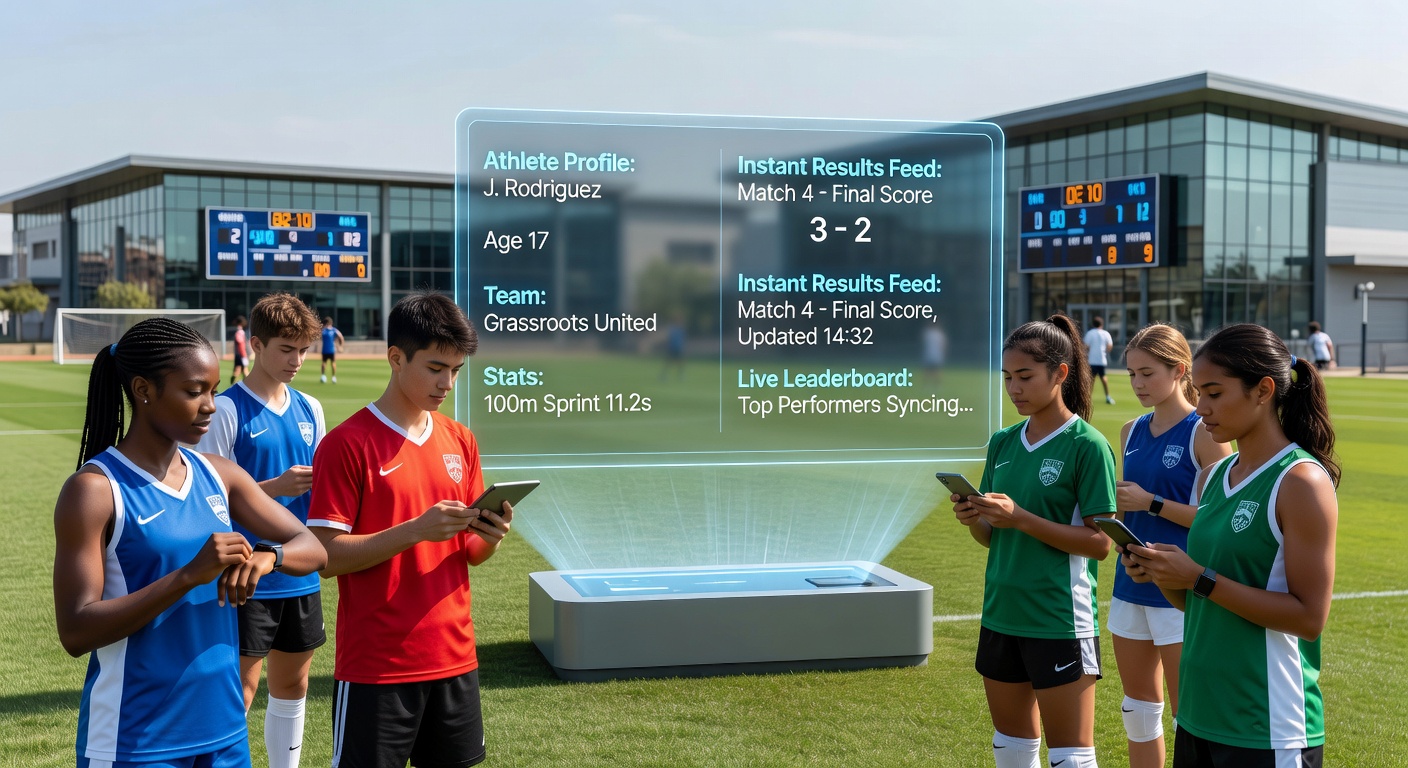
Grassroots league operators now rely on synchronized athlete profiles that connect directly to instant result feeds, creating seamless updates across standings, player statistics, and team records in local divisions worldwide. These systems pull data from match reports entered on mobile devices and push changes to centralized dashboards within seconds, allowing coaches, players, and administrators to track performance without manual spreadsheets or delayed notifications. Research from sports technology firms shows that leagues adopting such integrations report faster result verification and reduced errors in ranking calculations compared to traditional paper-based methods.
Core Mechanisms Behind Data Integration
At the foundation sit standardized data protocols that link individual athlete profiles containing details like age, position, and historical performance with real-time scoring inputs from referees or designated scorers. When a goal registers or a match concludes, the feed updates associated profiles automatically, recalculating points, goal differences, and qualification statuses across divisions. Observers note this process eliminates duplicate entries that once plagued amateur competitions, since each profile maintains a unique identifier tied to league databases. Turns out the approach mirrors practices already common in professional circuits yet adapted for smaller budgets and volunteer staff in community settings.
Implementation Across Regions
Leagues in North America, Europe, and Australia have rolled out similar platforms, with variations based on local regulations and available infrastructure. In Canada, for instance, provincial sports bodies coordinate with software providers to ensure compliance with privacy standards while enabling instant feeds for youth and adult divisions. A study conducted by university researchers in Australia highlighted how synchronized systems improved participation rates by giving athletes immediate access to their updated metrics through dedicated portals. But here's the thing: success depends on reliable internet access at venues, which remains uneven in rural areas where grassroots matches often occur.
Take one regional organizer in the Midwest United States who integrated profile syncing with result feeds last season. Match data flowed from handheld devices straight into league tables, cutting post-game administrative time by more than half according to internal logs. Players received notifications about ranking shifts right after final whistles, boosting engagement without extra staff involvement. Such examples illustrate how the technology scales from small town fields to multi-team conferences while maintaining accuracy across thousands of entries.
Technical Infrastructure and Updates
Backend architecture typically combines cloud-hosted databases with application programming interfaces that handle bidirectional data flow between profiles and feeds. Mobile apps serve as the primary entry point for results, while web portals allow deeper analysis for league officials. Security measures include encrypted transmissions and role-based access controls to prevent unauthorized changes to sensitive athlete information. Data indicates these setups handle peak loads during tournament weekends when multiple matches conclude simultaneously across fields.
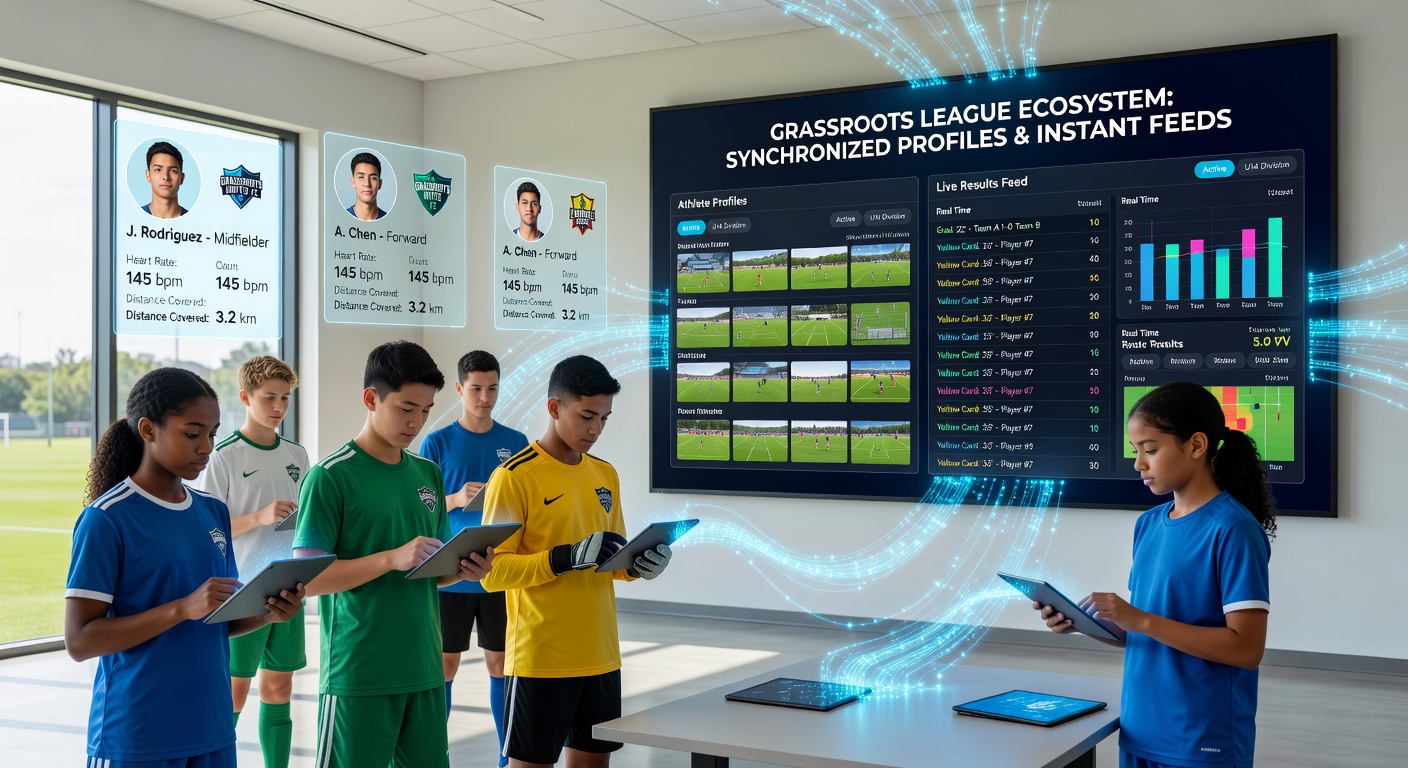
What's interesting lies in planned enhancements scheduled for May 2026, when several platforms intend to introduce advanced analytics layers that compare current season metrics against historical profile data. These additions will generate automated insights on player development trends without requiring separate reporting tools. Industry reports from European sports technology associations point to growing adoption rates as costs decrease and interoperability between different league software improves. Yet challenges persist around device compatibility and training volunteers unfamiliar with digital interfaces.
Impact on League Operations and Participation
Instant result feeds synchronized with profiles deliver more than convenience. They support fairer competition by ensuring standings reflect verified outcomes promptly, reducing disputes that previously arose from delayed score submissions. League tables refresh automatically, and qualification paths for playoffs become visible earlier in seasons. Figures from a Canadian amateur sports survey reveal higher retention among teams using these tools, partly because athletes stay informed and motivated by visible progress tracking.
Researchers at academic institutions have examined data flows in similar ecosystems and found correlations between real-time updates and increased spectator interest at grassroots events. Spectators access live standings via public links, which in turn encourages attendance at subsequent matches. One documented case involved a community league that linked its feeds to social media channels, resulting in broader community awareness without additional marketing budgets.
Future Considerations for Scalability
As more grassroots organizations adopt these synchronized systems, questions around data governance and long-term storage come into focus. Authorities in various regions continue refining guidelines to balance transparency with athlete privacy protections. The reality is that robust synchronization reduces administrative burdens while opening doors for expanded features like injury tracking or cross-league comparisons in coming years.
Conclusion
Profile synchronization paired with instant result feeds forms a practical backbone for managing data in grassroots league ecosystems. Through automated updates, standardized protocols, and accessible interfaces, these tools streamline operations that once demanded extensive manual effort. Continued refinements expected around May 2026 and beyond will likely expand analytical capabilities while addressing current infrastructure gaps. Observers note the shift supports both competitive integrity and participant engagement across diverse amateur sports environments.