Ripple Maps: Tracing Outcome Data Threads Through Signup Surges in Regional Athletic Loops
Written by Mara Jung · Aug 23, 2026
Ripple Maps: Tracing Outcome Data Threads Through Signup Surges in Regional Athletic Loops
Regional athletic loops generate intricate patterns when outcome data threads connect directly to signup surges, and observers note these connections create measurable shifts across amateur divisions throughout multiple seasons. Researchers track how match results feed into registration systems, which in turn influence enrollment numbers in subsequent cycles, while data analysts map these flows to identify predictable surges tied to specific performance indicators.
Mapping the Threads in Local League Systems
Outcome data threads begin at the point of match completion and extend through centralized platforms that update league tables in real time, and those updates then trigger visibility changes that affect how athletes and teams approach registration periods. In many regional circuits, platforms process results within hours of each event, which allows signup portals to reflect current standings and historical performance metrics simultaneously. Data from these systems shows that divisions with rapid result dissemination experience enrollment fluctuations that align closely with positive outcome clusters rather than random participation spikes.
Analysts have examined threads across several geographic areas and found consistent correlations between archived results and new registrations, particularly when teams demonstrate sustained improvement over consecutive seasons. For instance, one study revealed that athletes reviewing historical archives adjusted their roster decisions in ways that produced higher retention rates in the following year, and similar patterns emerged in circuits where live scoring integrated directly with registration interfaces.
Signup Surges and Their Data Origins
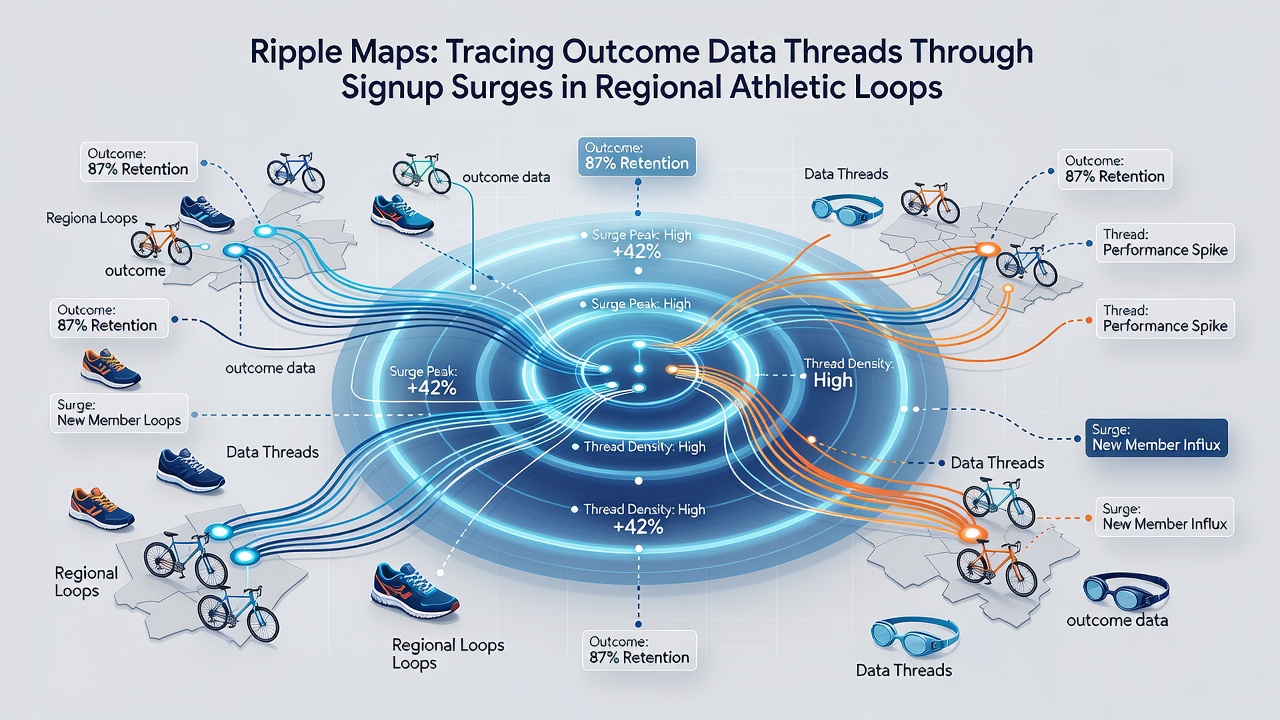
Signup surges often trace back to specific data points such as win streaks, division promotions, or notable individual performances that circulate through result feeds, and these elements combine to create visible momentum in enrollment data. Platforms that synchronize outcome records with registration dashboards enable participants to see direct links between past results and future opportunities, which accelerates decision-making during open periods. Figures from multiple regional networks indicate that surges intensify when threads include both immediate results and longitudinal trends, allowing athletes to evaluate not only recent form but also multi-season trajectories.
In August 2026, several mid-sized athletic loops reported enrollment increases of up to 18 percent in divisions where outcome processing occurred within 24 hours of competition, compared to slower systems that showed more gradual shifts. Those who've studied these loops point to the integration of profile syncing features as a key factor, since updated standings appear alongside registration options and reduce the time between result awareness and signup completion.
Regional Variations in Data Flow Efficiency
Different regions handle outcome threads with varying degrees of automation, which produces distinct surge patterns across athletic loops. Circuits in North America frequently rely on integrated scoring applications that push results to both public leaderboards and private team portals at once, whereas European systems sometimes route data through national federations before it reaches local registration points. According to a 2025 analysis by the Sport Data Institute of Canada, loops with unified data pipelines recorded faster signup responses to outcome changes than those requiring manual updates at multiple stages.
What's interesting is how these variations affect retention as well as initial enrollment. Teams operating in environments where result archives feed directly into roster planning tools demonstrate steadier participation across seasons, and the same report noted that adaptive adjustments based on historical threads correlated with reduced dropout rates during off-peak months. Observers tracking these differences emphasize that the speed and accessibility of outcome threads determine whether surges remain temporary or evolve into sustained growth.
Practical Implications for League Operations
League administrators use ripple maps to anticipate resource needs during peak registration windows, since data threads reveal which divisions are likely to experience enrollment pressure following strong outcome periods. Predictive models built from past threads allow organizers to allocate court time, equipment, and staff more precisely, and several circuits now adjust scheduling based on projected surges derived from recent result patterns. This approach reduces bottlenecks that previously occurred when unexpected participation spikes overwhelmed manual registration processes.
Academic research supports these operational shifts. A paper published by the University of Queensland's Centre for Sports Analytics in 2024 examined data from 12 regional loops and documented how integrated outcome feeds improved enrollment forecasting accuracy by 27 percent over traditional methods. The findings highlight that threads connecting match results to signup analytics create feedback loops capable of informing both short-term adjustments and longer-term structural decisions within amateur athletic organizations.
Conclusion
Ripple maps provide a framework for understanding how outcome data threads propagate through regional athletic systems and generate measurable signup surges, and continued refinement of these mapping techniques supports more responsive league management. As platforms evolve to handle greater volumes of performance information, the connections between results and registrations are expected to become even more direct, enabling administrators and participants alike to navigate enrollment dynamics with greater precision based on observable data patterns rather than isolated observations.