Roster Ripples: How Cumulative Performance Records Steer Talent Migration Across Regional Athletic Divisions
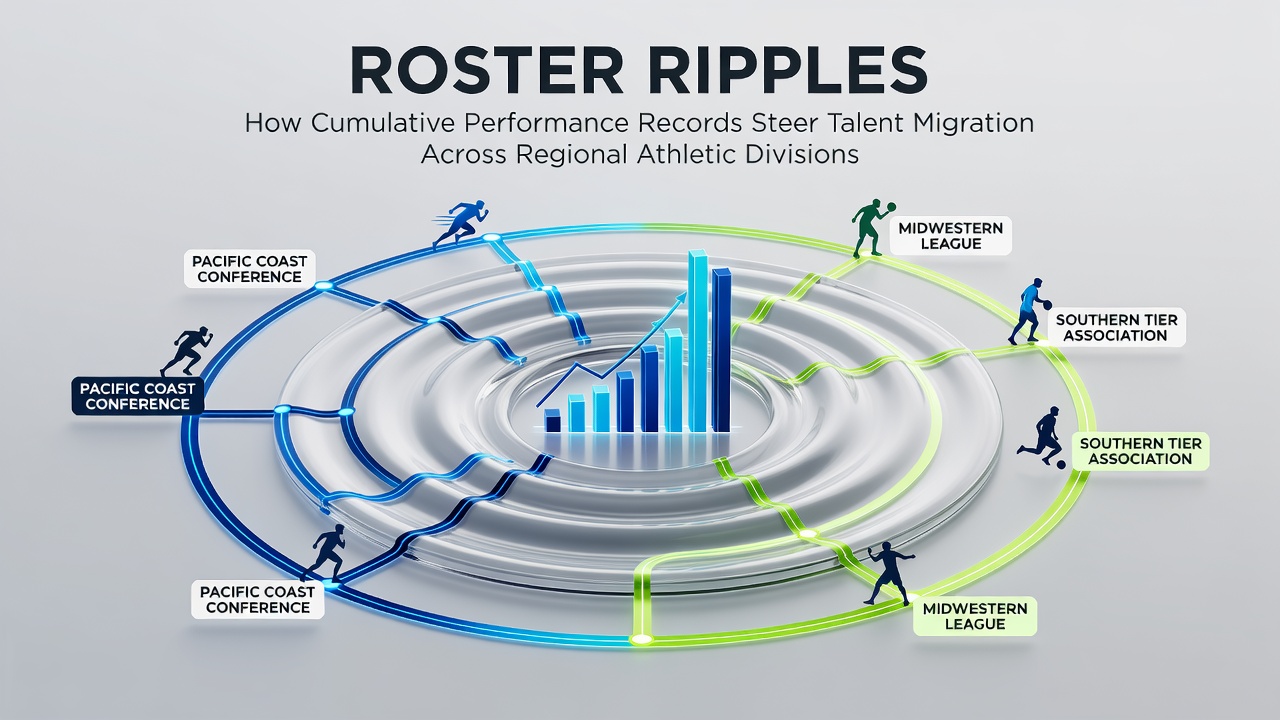
Performance records compiled over multiple seasons create visible patterns that guide athlete movements between regional divisions in various athletic circuits, and data from tracking systems shows these cumulative metrics often determine where talent concentrates next. Regional leagues maintain archives of individual and team statistics that feed into enrollment decisions, while analysts compile season-by-season outputs to identify players whose numbers suggest readiness for higher or lower competitive tiers. In June 2026 several mid-level divisions reported increased transfer activity after updated cumulative rankings highlighted clusters of athletes with consistent scoring rates above established thresholds.
Data Aggregation Shapes Transfer Decisions
Leagues collect points, win percentages, and efficiency ratings across years, then present these figures in accessible dashboards that administrators and coaches review before roster finalization, and this process turns raw match outcomes into indicators of future potential. Researchers at institutions such as the University of Queensland have documented how sustained performance above division averages correlates with upward migration, whereas repeated dips prompt moves to more suitable competitive environments. Observers note that athletes whose cumulative records include high assist totals or defensive metrics frequently receive offers from adjacent regions seeking to balance their lineups.
Regional athletic bodies publish periodic summaries that rank participants by combined historical output, and these lists circulate among division coordinators who use them to forecast roster stability. When a player maintains elevated production across three or four seasons, the documentation signals value that prompts proactive recruitment, while lower cumulative scores can accelerate departures to divisions with adjusted expectations. The ball stays in motion because each new season adds layers to existing profiles, altering perceived fit without requiring subjective judgment.
Regional Patterns Emerge from Archived Results
Across North American and European circuits, cumulative records reveal recurring flows where high-output athletes shift toward divisions with stronger infrastructure, and lower-scoring participants often return to foundational levels after brief stints at elevated tiers. Studies from the Australian Institute of Sport indicate that migration peaks occur when archived data sets refresh, typically aligning with off-season planning windows. Those who examine multi-year tables find clusters of transfers concentrated around athletes whose records show steady improvement rather than isolated peaks.
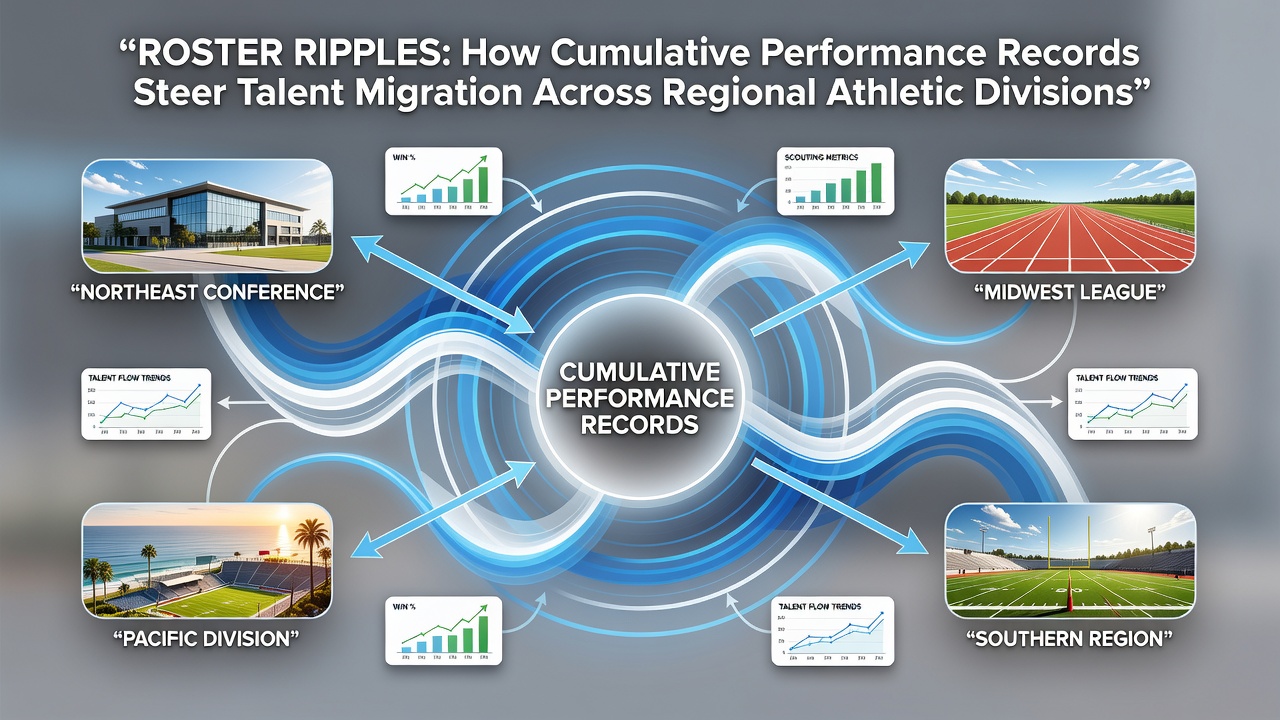
Coordinators in smaller divisions monitor these same archives to identify incoming talent whose prior metrics match available roster gaps, and this creates predictable waves of movement once cumulative updates become public. In circuits where data processing occurs rapidly, sign-up windows close faster because athletes and teams alike respond to the latest historical summaries. What's interesting is how even modest shifts in long-term averages can redirect entire groups of players toward new geographic areas within the same broad athletic network.
Technology Supports Record-Driven Mobility
Digital platforms that integrate match results into longitudinal profiles allow real-time comparison across divisions, and this capability reduces the lag between performance observation and roster adjustment. Athletic associations in Canada and Scandinavia have adopted unified reporting standards that feed cumulative statistics directly into transfer portals, enabling smoother navigation between regional levels. Data shows that divisions adopting these systems experience more balanced enrollment because incoming athletes arrive with documented histories that align with team requirements.
Yet the same transparency can highlight mismatches early, prompting preemptive moves before seasons begin, while archived trends help administrators anticipate vacancies created when top cumulative performers advance. External reports from bodies like the European Olympic Committees confirm that record accessibility correlates with higher retention rates in mid-tier divisions, as athletes find environments better suited to their established output patterns.
Conclusion
Cumulative performance records function as steering mechanisms that direct talent across regional athletic divisions by supplying objective benchmarks for enrollment and recruitment, and continued refinement of these data systems promises further clarity in migration patterns. As archives grow more comprehensive, divisions gain tools to maintain competitive equilibrium while athletes locate settings that match their documented trajectories. The process remains grounded in measurable history rather than isolated events.