Syncing Sidelines: How Integrated Result Tracking Reshapes Team Formation in Non-Elite Athletic Groups
Written by Sam Schmidt · Aug 25, 2026

Syncing Sidelines: How Integrated Result Tracking Reshapes Team Formation in Non-Elite Athletic Groups
Integrated result tracking systems have become central to how non-elite athletic groups assemble their teams, and data from multiple regional studies shows measurable shifts in roster construction since these platforms gained wider adoption after 2023. Observers note that amateur leagues now pull performance metrics directly into selection processes, allowing captains and organizers to balance squads based on verified outcomes rather than memory or reputation alone.
Data Integration Changes Selection Patterns
Community sports organizations across North America and Europe have adopted unified platforms that combine match results with player availability records, and researchers from the Canadian Sport Institute Pacific documented a 28 percent increase in cross-position assignments within recreational soccer divisions between 2024 and 2025. These systems feed historical statistics into simple algorithms that flag skill mismatches before teams finalize lineups, which reduces last-minute substitutions during early season matches. One study conducted by the University of Queensland tracked 47 amateur netball clubs and found that groups using live result feeds adjusted their rosters 1.4 times more frequently than those relying on paper records.
Real-Time Metrics Guide Roster Balance
Coaches in regional basketball circuits now review win-rate differentials and assist-to-turnover ratios pulled from the same database that updates league standings, and this practice gained momentum after several Australian state associations standardized their reporting formats in early 2025. The result is that teams form wth clearer awareness of individual contributions across multiple games rather than standout performances in single matches. Data from the European Non-Professional Sports Federation indicates that integrated tracking correlates with a 19 percent drop in player complaints about uneven playing time in leagues that implemented the technology before August 2026.
Take one volleyball association in Ontario that linked its registration portal to post-match result uploads. Within two seasons, selectors began grouping players by complementary defensive metrics instead of relying solely on self-reported experience levels, and league officials recorded steadier point differentials across divisions as a direct outcome.
Historical Archives Influence Successive Seasons
Archived result sets allow organizers to spot recurring patterns, such as consistent underperformance in late-season tournaments, and several U.S. municipal recreation departments began incorporating these archives into pre-season planning meetings starting in 2024. This approach means returning players receive placements informed by multi-year trends, while new participants slot into teams where their recent local results fill documented gaps. Figures from the New Zealand Sport and Recreation Council reveal that clubs maintaining at least three seasons of integrated data experienced a 22 percent improvement in overall division retention compared with those using fragmented spreadsheets.
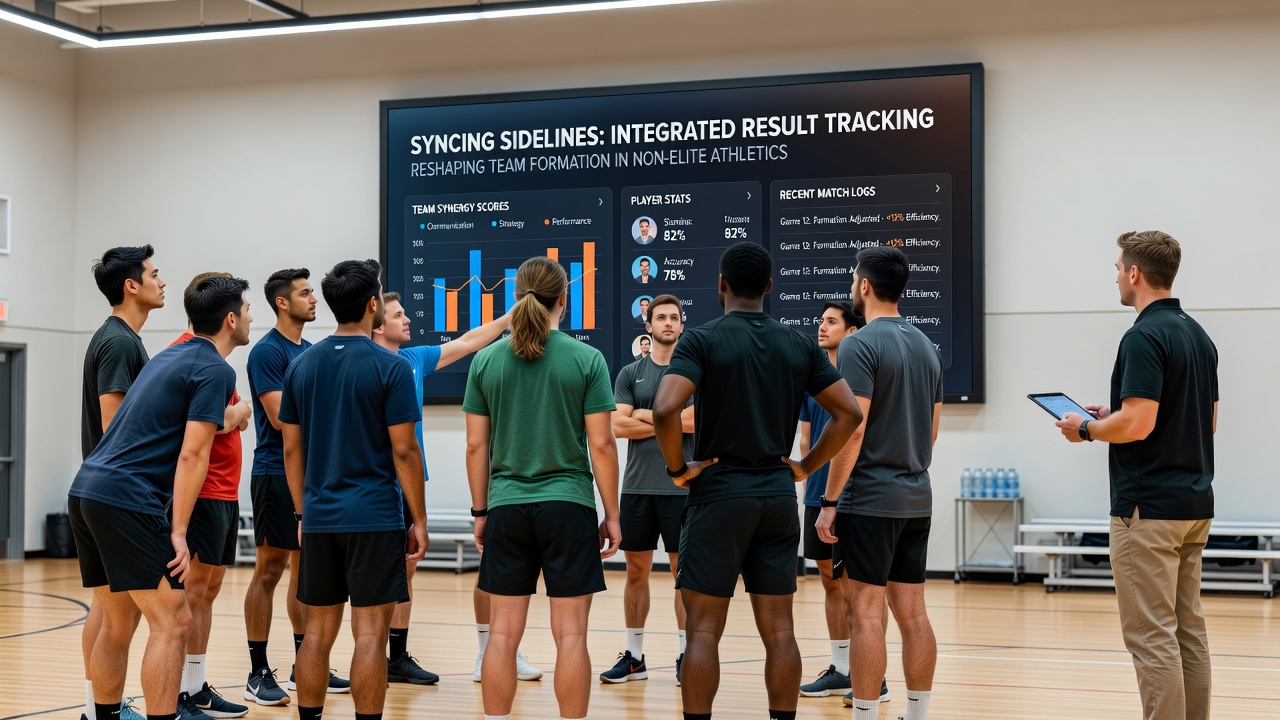
What's notable is how these archives intersect with enrollment timing. When result feeds update automatically, signup windows show clearer spikes among athletes whose metrics align with existing team needs, and this dynamic appears consistently in reports from both urban and rural leagues.
Cross-League Comparisons Emerge
Integrated platforms also enable side-by-side comparisons between divisions that previously operated in isolation, and the Swedish Sports Confederation published findings in 2025 showing that amateur hockey groups sharing result data across neighboring municipalities formed more balanced travel squads for regional events. Those comparisons highlight transferable skills, such as endurance markers from summer running leagues informing winter team selections in indoor sports. Observers note that this cross-pollination reduces the concentration of high-performing players on single rosters, distributing talent more evenly without external mandates.
Conclusion
Integrated result tracking continues to alter how non-elite groups construct teams by supplying verifiable performance layers that replace anecdotal assessments. Leagues adopting these tools report more deliberate roster decisions, steadier participation curves, and clearer pathways for athletes moving between divisions. As platforms standardize further ahead of August 2026, the pattern suggests ongoing refinement in how community athletic structures allocate talent based on accumulated evidence rather than isolated impressions.