The Arena's Echo Chamber: How Circulating Highlights Drive Enrollment Changes in Amateur Sports Over Successive Seasons
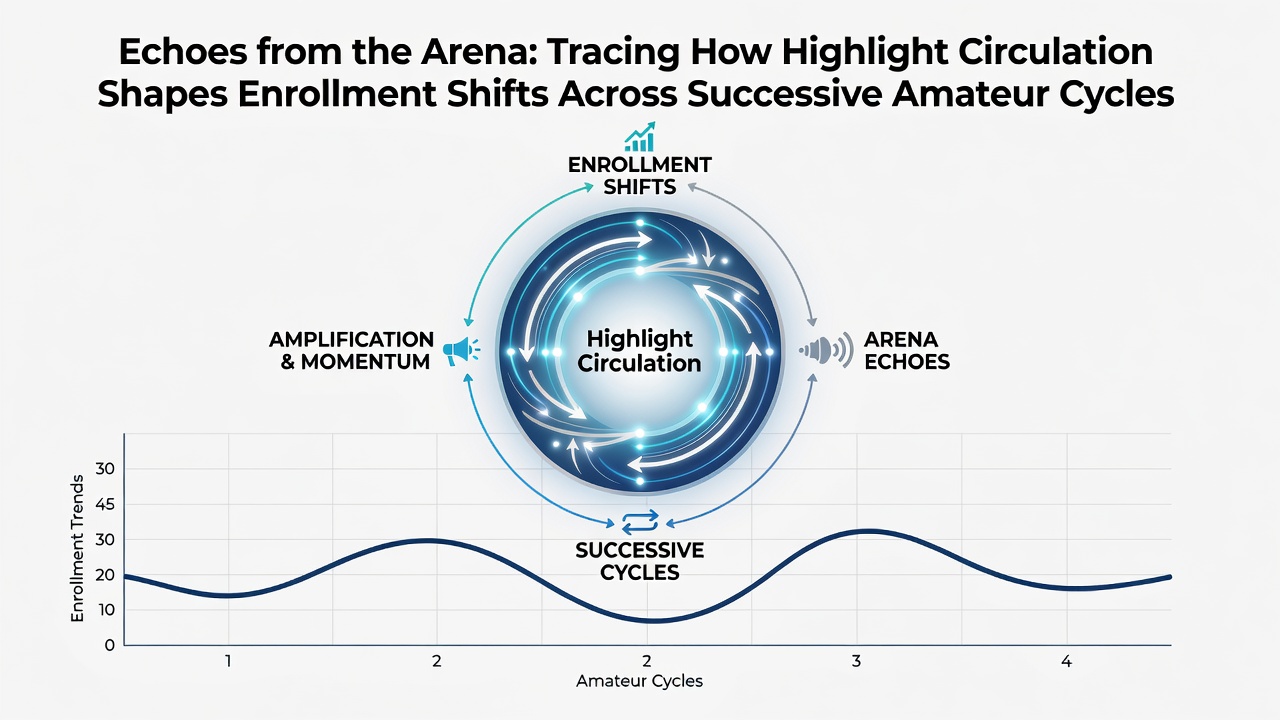
Athletes and organizers track how short video clips from matches travel through social channels and reshape sign-up numbers across multiple seasons in non-professional leagues. Data from regional athletic associations shows that clips gaining traction within the first 48 hours after events often correlate with measurable upticks in registration for the next cycle. Researchers at institutions like the University of Melbourne have documented these patterns through longitudinal studies spanning five amateur seasons in Australian community divisions.
Mechanisms Behind Highlight Spread and Participation Trends
Platforms distribute match excerpts through algorithmic recommendations that prioritize high-engagement content, which in turn exposes new audiences to specific sports and athletes. When a defensive play or scoring sequence accumulates views rapidly, enrollment forms for similar divisions receive increased traffic within days. Observers note that this process repeats across cycles because previous participants share content that draws in newcomers while retaining veterans who see their own performances featured.
Patterns Observed in Successive Cycles
Analysis of registration databases reveals that divisions with high highlight circulation experience enrollment shifts of 12 to 18 percent between seasons, according to figures compiled by the Canadian Sport and Recreation Association. These changes appear most pronounced in youth and adult recreational brackets where video sharing occurs most freely. One study revealed that teams featured in multiple clips during a given cycle attracted larger rosters the following year, while those without visible moments saw steadier or declining numbers.
June 2026 marked a notable acceleration in this dynamic as mobile video tools integrated deeper with league management systems, allowing instant upload and tagging of key moments. This integration streamlined the path from on-field action to wider distribution and produced clearer correlations between clip volume and signup velocity across North American circuits.
Data Flows Connecting Visibility to Roster Adjustments
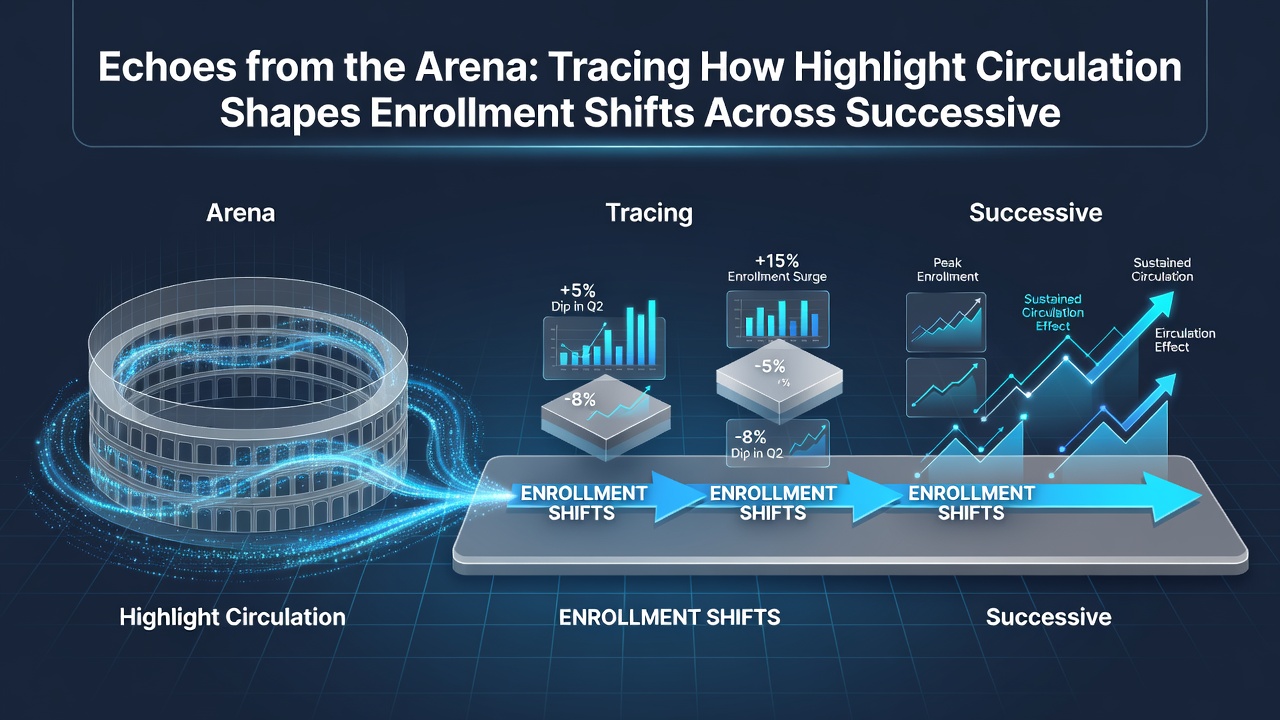
League administrators compile outcome records and clip metrics into unified dashboards that forecast participation levels for upcoming periods. When highlight counts exceed baseline thresholds established in prior cycles, coordinators adjust marketing outreach and facility allocations accordingly. Those who studied these systems report that the feedback loop strengthens retention because athletes recognize their contributions in distributed content and return for subsequent seasons.
Cross-regional comparisons further illustrate the effect. European amateur federations employing similar video dissemination protocols recorded parallel enrollment movements, although the magnitude varied by sport type and age group. The consistency across geographies suggests that highlight circulation operates as a structural driver rather than an isolated regional phenomenon.
Long-Term Implications for Amateur Circuits
Successive seasons demonstrate compounding effects when highlights from one cycle influence not only immediate enrollments but also the composition of teams in the next round. Rosters evolve toward athletes whose skills align with content that performs well in distribution algorithms. This adaptation occurs without centralized direction yet produces measurable redistribution of talent across divisions.
Conclusion
Highlight circulation functions as a persistent mechanism that links on-field moments to enrollment decisions across multiple amateur cycles. Evidence from registration analytics and viewership data confirms these connections operate through repeated exposure rather than single events. Continued monitoring of these flows will allow organizers to anticipate shifts and maintain balanced participation levels in community athletic structures.