Tracing Athletic Histories: How Performance Records Shape Lasting Involvement in Local Leagues
Written by Mia Berger · Aug 27, 2026

Tracing Athletic Histories: How Performance Records Shape Lasting Involvement in Local Leagues
Community athletics programs maintain detailed records of past results that create clear patterns linking earlier achievements to current enrollment levels across multiple seasons. These data trails emerge from match outcomes, individual statistics, and team standings that organizers collect through registration systems and live scoring tools. Researchers have documented how such archives help predict which athletes and teams will return for subsequent cycles, particularly in regional circuits where participation numbers fluctuate based on prior success rates.
Building the Data Foundation
Local leagues compile performance histories through consistent tracking of wins, losses, personal bests, and placement metrics that feed into centralized databases. Observers note that these systems capture granular details from every event, allowing analysts to map connections between a competitor's historical output and their likelihood of re-registering. Data shows that athletes with stronger records in previous years demonstrate higher retention rates, while those with inconsistent results often exhibit variable participation patterns that affect overall league composition.
Studies from the Australian Institute of Sport have examined these archives in amateur divisions, revealing that teams maintaining steady historical performances tend to sustain enrollment numbers even during periods of scheduling changes. The records also highlight how early-season results influence later decisions about continued involvement, creating feedback loops that shape division structures year after year.
Patterns Linking Past Results to Current Engagement
Performance data from completed seasons provides indicators for upcoming registration trends, according to reports compiled by the Canadian Fitness and Lifestyle Research Institute. Athletes who achieved top placements in prior events show elevated rates of re-enrollment, whereas lower-ranked participants sometimes shift toward different divisions or exit entirely. These shifts occur because historical outcomes feed into ranking algorithms that determine seeding and group assignments, which in turn affect perceived opportunities for future success.
One analysis of regional circuits found that leagues preserving comprehensive result archives experienced more stable membership counts compared to those relying on less structured tracking methods. The evidence points to athletes using past performance feedback to assess whether continued participation aligns with their competitive goals, leading to more predictable enrollment cycles.
League Stability Through Archived Metrics
League organizers rely on historical performance trails to adjust team formations and division placements that promote balanced competition. When data reveals clusters of consistent high performers across multiple seasons, administrators can implement roster guidelines that prevent dominance patterns from discouraging broader participation. Evidence from European sports federations indicates that such data-informed adjustments correlate with steadier attendance figures and reduced dropout rates among mid-tier athletes.
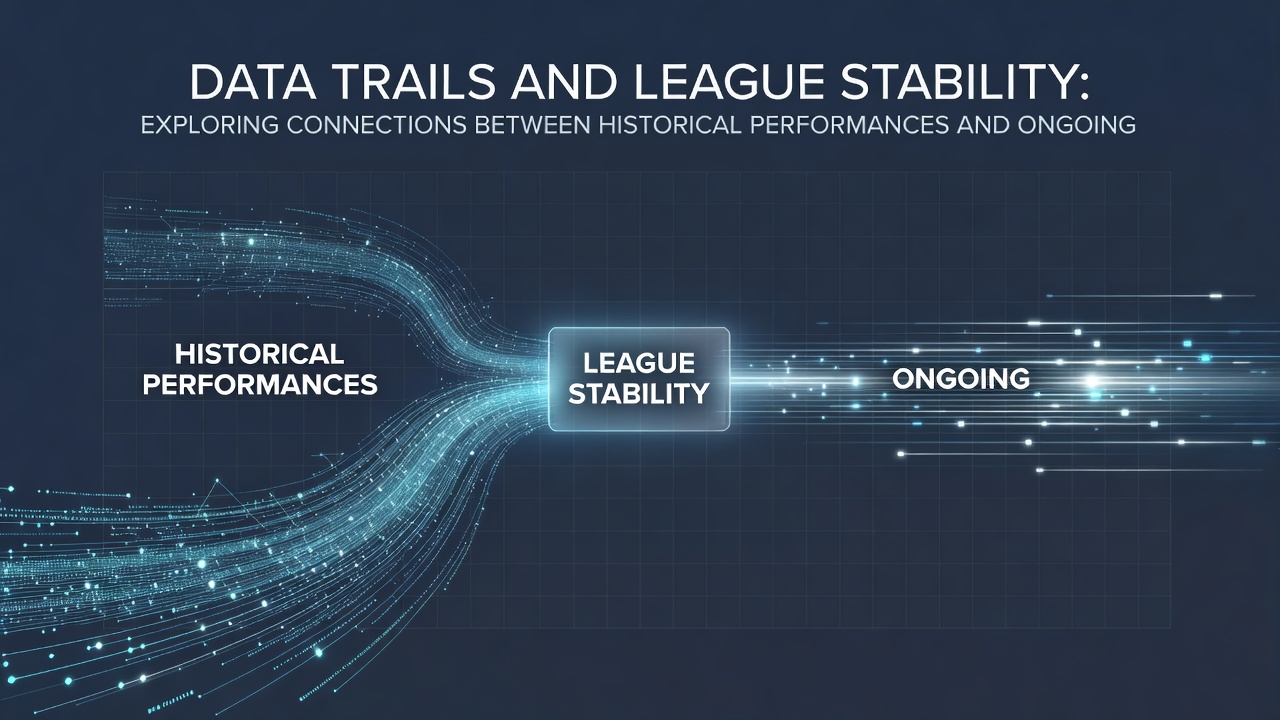
August 2026 registration periods in several North American circuits demonstrated these dynamics when organizers incorporated archived results into preview materials shared with potential participants. Leagues that highlighted performance pathways from previous years saw enrollment numbers hold steady or increase slightly, while programs without such data integration reported more variability in sign-up volumes. The connections become evident when examining how individual athletes reference their own historical data when deciding whether to commit for another cycle.
External Influences on Data-Driven Retention
Technological platforms that process and display live results alongside historical comparisons further strengthen these links by making performance trails accessible in real time. Participants review personal metrics from past events alongside current standings, which informs decisions about ongoing involvement. Research conducted at the University of Queensland has identified correlations between access to such integrated data views and improved retention among amateur competitors in community-based programs.
But here's the thing: not every league maintains equally robust archives, leading to differences in how effectively historical performance connects to future participation. Those that invest in comprehensive tracking systems observe more predictable stability metrics, including consistent team numbers and balanced competitive fields across successive seasons.
Conclusion
Performance records and participation data together form interconnected systems that influence the long-term structure of community athletics. Historical outcomes supply the foundation for predicting and managing enrollment patterns, while ongoing result processing refines these connections season after season. Organizations that prioritize detailed data trails gain clearer insights into factors sustaining league stability across diverse regional contexts.