Tracing Data Pathways: How Match Outcomes Reshape Athlete Profiles in Successive Amateur Seasons
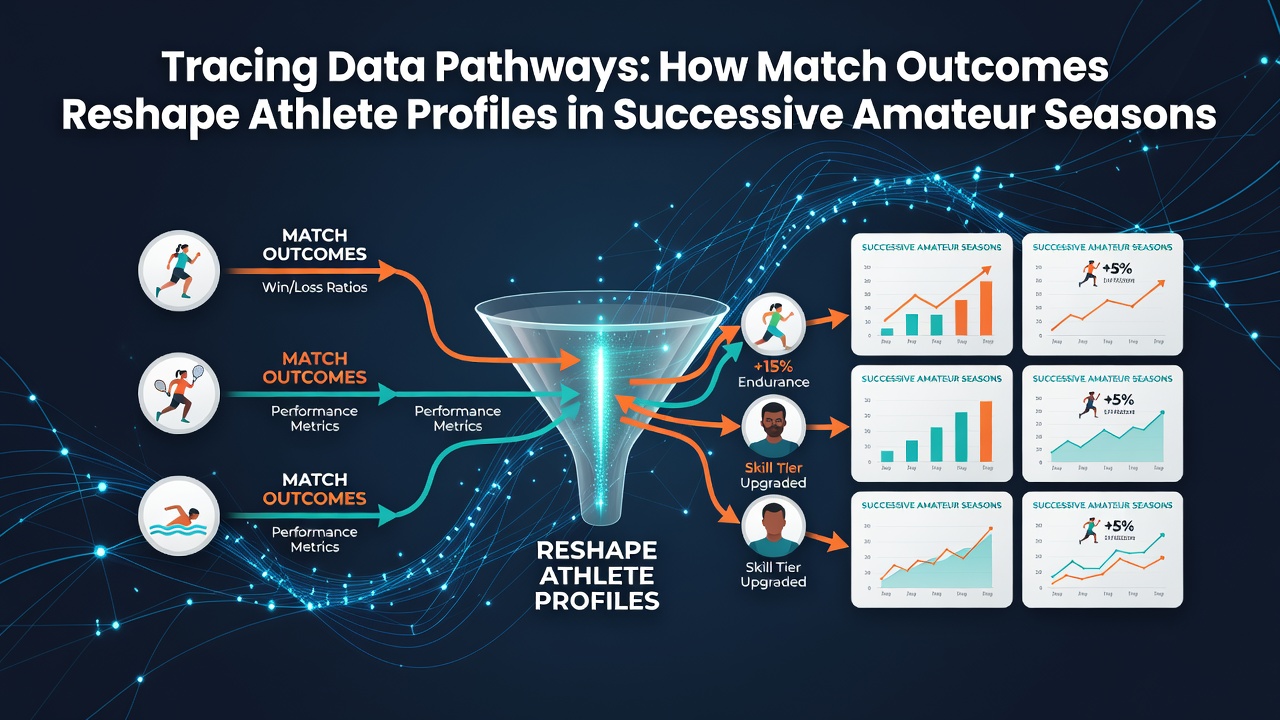
Amateur athletic circuits rely on interconnected data systems that capture match results and feed them directly into individual athlete profiles, creating measurable shifts in rankings, eligibility, and enrollment patterns over multiple seasons. These pathways begin at the point of competition where officials record scores, times, and outcomes through standardized digital entry forms that transmit information to central league databases within minutes of event completion.
Initial Data Capture and Transmission Routes
Match officials enter results into mobile applications linked to regional governing bodies, and these entries trigger automated validation checks before routing to athlete profile servers. Data from local events moves through API connections maintained by league management platforms, while national organizations such as the Australian Sports Commission provide standardized formats that ensure compatibility across state boundaries. Profiles update with new performance metrics including win rates, point differentials, and participation frequency, and these changes become visible to coaches and registrars within 24 hours in most systems.
June 2026 brought expanded integration between scoring software and profile management tools across several North American amateur networks, allowing real-time synchronization that previously required manual batch uploads at the end of each weekend. Observers note that this adjustment reduced discrepancies between recorded outcomes and displayed athlete statistics by approximately 18 percent according to internal platform reports.
Profile Adjustments Across Successive Seasons
Athlete profiles accumulate layered data from one season to the next, with algorithms weighting recent performances more heavily than older results in many division placement calculations. Successive seasons therefore see profiles evolve through cumulative adjustments that reflect both consistency and improvement trends, and these shifts determine which competitive brackets athletes enter during registration periods. Teams reviewing historical archives often identify patterns where strong mid-season results from one year elevate an athlete's starting position in the following campaign, altering roster construction strategies at the divisional level.
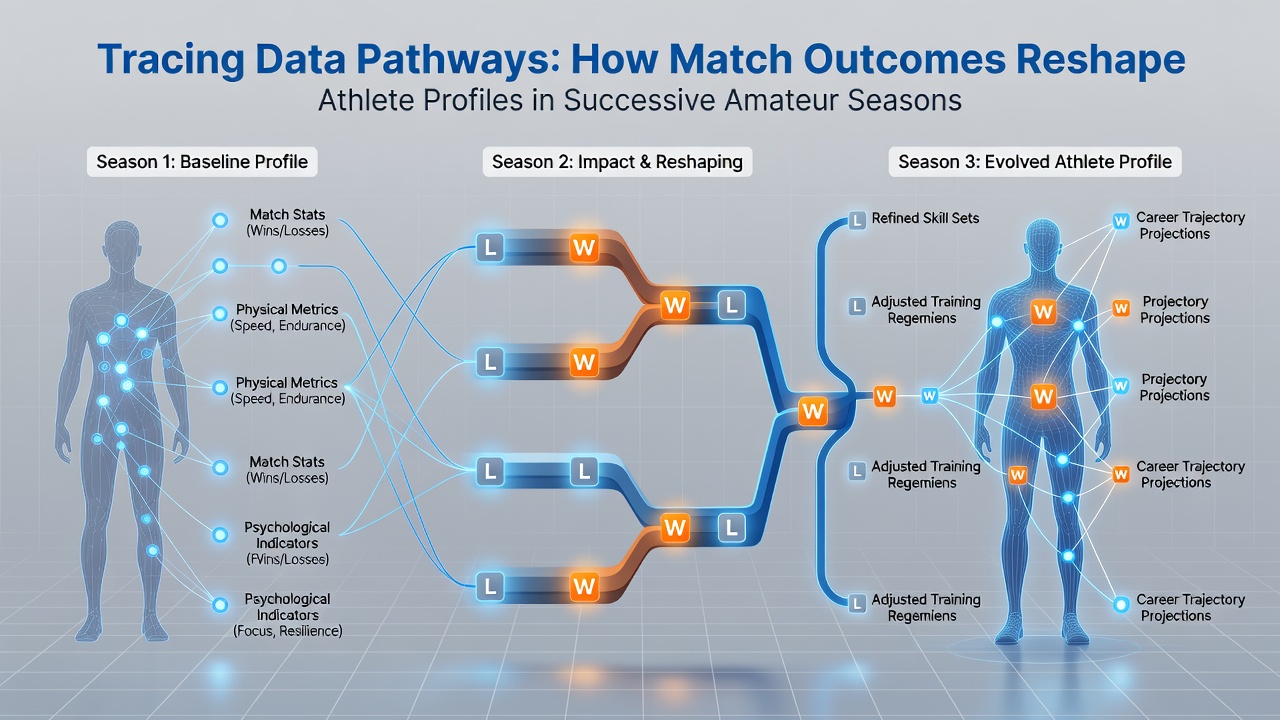
Researchers at institutions including the University of Queensland have documented how outcome data streams influence long-term profile trajectories, particularly when early-season losses trigger automatic placement reviews that carry forward into later enrollment cycles. The pathways create feedback loops where updated profiles affect team formation decisions, which in turn generate new match data that further modifies those same profiles in subsequent periods.
Enrollment and Division Realignment Effects
Registration portals pull current profile data to suggest or restrict division assignments, and athletes whose profiles show marked improvement through successive seasons frequently receive invitations to higher competitive tiers. This realignment process depends on transparent data flows that connect match archives directly to enrollment interfaces, reducing manual review requirements for league administrators. Those managing amateur circuits report that accurate pathway integration correlates with higher retention rates because participants encounter divisions aligned with their demonstrated capabilities rather than outdated assessments.
External systems maintained by bodies like the Canadian Olympic Committee Committee supply supplementary verification layers that cross-check amateur profiles against national eligibility databases, adding another segment to the data pathway before final season assignments lock in. Such connections become especially relevant during transition periods between seasons when profile updates must propagate across multiple organizational boundaries without introducing conflicts.
Conclusion
Data pathways originating from match outcomes continue to drive structural changes in athlete profiles across successive amateur seasons through automated capture, validation, and redistribution mechanisms. These systems produce observable effects on division placements, team compositions, and participation continuity as profiles accumulate performance indicators year after year. Continued refinement of transmission protocols and integration standards supports more precise alignment between recorded results and competitive opportunities in regional athletic circuits.